
Key takeaways
- Set amenity par levels by occupied room nights, not by room count.
- Minimum stock = average daily use × (supplier lead time + buffer days).
- The gap between actual issues and par is the earliest signal of leakage.
- An 8-column tracking sheet is enough for most hotels.
Amenities are a small cost per room but recur every day, so a small deviation becomes a large number over a year. Running out hurts guest experience; overstocking ties up cash and risks expiry. This article helps housekeeping and stores set par levels, minimum stock and a simple tracking sheet.
Step 1: Set par by room night
Formula
Monthly par = Rooms × Days × Occupancy × Use per room night
For mini bottles, “use” is the number of bottles placed per room night. For refill, it is the ml actually used per room night.
Take use per room night from measurements in a few sample rooms over 2 weeks, then update by season. Peak season, families and long stays usually use more.
Step 2: Set minimum stock and reorder point
Formula
Minimum stock = Average daily use × (Lead time + Buffer days)
When stock reaches this level, place an order. Buffer days depend on supplier reliability and peak season.
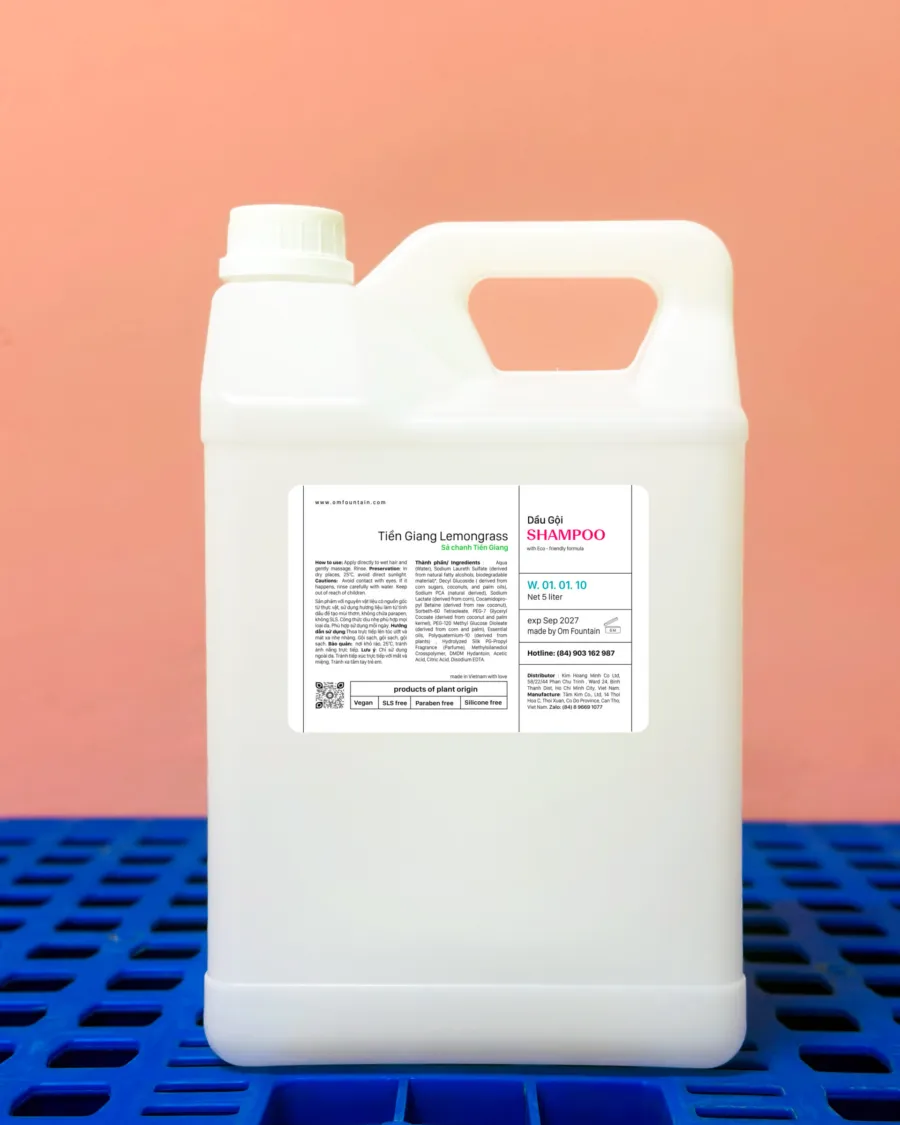
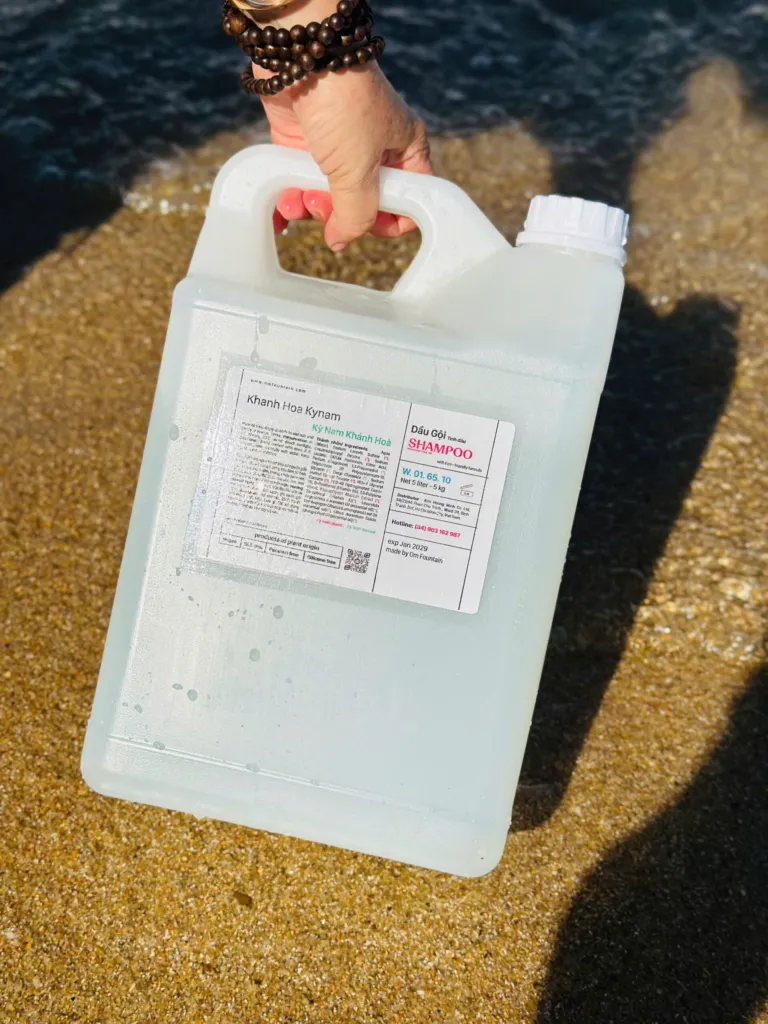
With 5-litre refill cans this gets much simpler because there are only a few SKUs. Instead of counting hundreds of small bottles, the store counts full cans and estimates the open ones.
Step 3: Monthly tracking sheet
| Item | Unit | Opening | In | Issued | Closing | Par | Variance |
|---|---|---|---|---|---|---|---|
| Shampoo refill | 5 L can | … | … | … | … | … | Issued − Par |
| Shower gel refill | 5 L can | … | … | … | … | … | … |
| Toothbrush | Piece | … | … | … | … | … | … |
| Shower cap | Piece | … | … | … | … | … | … |
The Variance column matters most. If issues exceed par for several months while occupancy is unchanged, review how items are issued or how much is actually used.
Tip: track by floor or by housekeeping trolley, not just store totals. It shows exactly where variance arises.
Preventing leakage: 6 things to do
- Stock each trolley per shift according to the rooms assigned.
- Match issue slips against rooms cleaned that day.
- Do a physical count every month, not just read the software.
- Lock the amenity store and restrict who can issue.
- Place dry amenities only on request or by room type.
- Log the batch number at each refill for traceability.
Order on schedule, not when you run out
Once par and minimum stock are set, the hotel can move to scheduled orders with its supplier: same quantity, same day each month, adjusted to occupancy forecasts. This avoids rush orders, lowers stock and stabilises the budget.
Om supports operations: Om works with properties to track usage and schedule orders sensibly. Learn more about Om's capability and process.
To see how par levels affect your budget, read amenity cost per room night. If your property is planning to cut plastic, see reducing single-use plastic in hotel rooms.
Run the numbers for your property: use Om Refill Planner to estimate monthly refill volume, minimum stock and order schedule in about 30 seconds.
Frequently asked questions
How often should par levels be updated?
At least every quarter, and whenever guest mix, season or product type changes significantly.
How do we measure actual use with dispensers?
Mark the level in a few sample rooms after each refill, record the room nights until the next refill, then divide the volume used by those room nights.
Should we use inventory software?
Software is faster, but par levels and physical counts remain the foundation. A spreadsheet like the one above is enough for a mid-sized hotel.